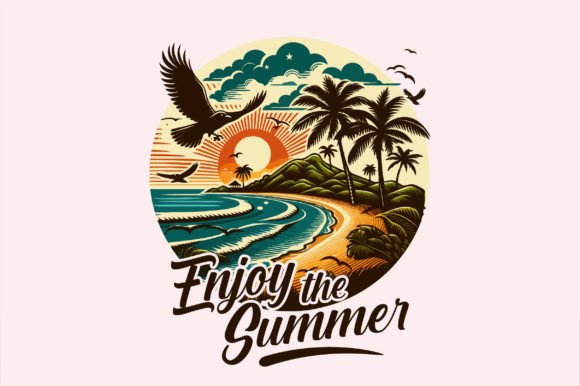
Summer T-Shirt Design Vector: An Embroidery Review
As a professional embroidery designer and product reviewer, I approach every new graphic asset with a specific question: will this actually stitch out well on real fabric? When evaluating the Summer T-Shirt Design Vector, my focus shifts immediately from screen aesthetics to needle performance. While this asset is marketed as a high-resolution vector for print, its clean lines and bold composition make it a compelling candidate for digitizing into a machine embroidery design. For Etsy sellers, craft business owners, and makers looking to expand their summer inventory, understanding how this graphic translates to thread is crucial for creating a successful finished product.
First Impressions: Visual Weight and Digitizing Potential
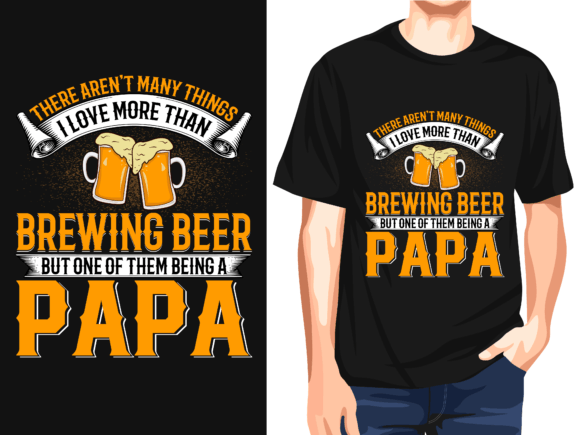
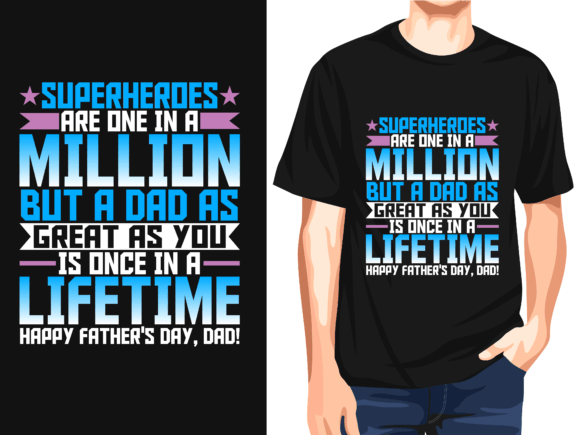
My initial assessment of the Summer T-Shirt Design Vector centers on its structural integrity. The provided 4500×5400 pixel resolution at 300 DPI ensures that edges are crisp, which is the first requirement for accurate tracing in embroidery software. The design possesses a distinct visual personality that feels breezy and modern, avoiding the cluttered complexity that often plagues seasonal graphics. This simplicity is a major advantage for embroidery. Clean shapes allow for defined satin stitch borders and manageable fill stitch areas without excessive density.
The inclusion of AI or EPS source files is particularly valuable here. Unlike raster images where you are stuck with existing pixels, the vector format allows me to separate color layers before digitizing. This means I can easily adjust elements to create an applique design rather than stitching out thousands of unnecessary fill stitches. For a tote bag design or sweatshirt embroidery, this flexibility reduces stitch count, prevents fabric puckering, and results in a softer, more wearable custom apparel item. The "easy to change colors" feature mentioned in the product specs is not just a print benefit; it is a digitizer’s best friend for adapting the palette to specific thread colors and seasonal trends.
Real-World Application: Stitching a Custom Beach Tote
To truly evaluate this asset, I mentally applied it to a recent client project: a line of personalized canvas beach totes for a boutique hotel. Canvas is a textured, unforgiving fabric that demands bold designs. Fine details get lost in the weave, and dense stitching can cause the bag to warp. The Summer T-Shirt Design Vector proved ideal for this scenario because of its scalable geometry.
In this application, I utilized the vector paths to create a hybrid technique. The main silhouette was prepared as an appliqué, secured with a running stitch tack-down, while internal details were rendered in minimal satin columns. This approach maintained the design's summer vibe without turning the tote into a bulletproof vest. The transparent PNG file served as an excellent reference overlay during the digitizing process, ensuring placement accuracy within the hoop size. For small shop product lines like this, where consistency across multiple units is key, having a master vector file ensures that every embroidered patch or direct-to-garment stitch-out remains identical, building customer trust and brand recognition.
Navigating Fabric Limitations and Technical Constraints
While the Summer T-Shirt Design Vector is versatile, experienced makers know that not all fabrics behave equally. When adapting this graphic for baby embroidery or lightweight knits, caution is required. The original vector may contain areas that, if stitched as standard fills, would be too heavy for delicate onesies or stretchy tees. In these cases, I recommend modifying the design to use lighter density patterns or converting solid areas to outline-only running stitches.
Dark fabrics present another challenge. Since the provided files are optimized for print, they may rely on white negative space that doesn't exist in embroidery unless you use white thread or appliqué fabric. Before committing to a production run on navy or black garments, test the contrast. A design that pops on a white screen might disappear on dark cotton. Additionally, when working with curved surfaces like caps, the horizontal span of the vector must be checked against the cap frame’s limitations. Distortion is common if the aspect ratio isn't adjusted specifically for headwear. Always verify that your digital embroidery file has been compensated for the specific fabric texture and stretch factor of your chosen blank.
Commercial Viability for Makers and Sellers
For those selling T-Shirt Designs or finished goods, the professionalism of your output dictates your price point. The Summer T-Shirt Design Vector supports high-value presentation because it scales without degradation. This is essential for creating accurate printable mockups for your listings. Customers need to see exactly what they are buying, and using the high-res transparent PNG for mockups ensures that your digital preview matches the physical handmade product.
Furthermore, the ability to modify the source AI/EPS file allows for unique variations. As an Etsy seller, offering exclusive colorways or slight layout modifications derived from the same base vector can differentiate your shop from competitors using the same assets. However, always review the licensing terms included in "You will get in th..." section of the product description. Confirm whether you have rights for commercial embroidery of finished goods versus selling the design assets themselves. Protecting your business starts with respecting intellectual property and ensuring your usage aligns with the creator's permissions.
Essential Pre-Stitch Checklist for Success
Before loading this design into your machine for a final embroidery project, adhere to these practical verification steps:
- Test on Scrap Fabric: Never stitch directly on a sellable item first. Use a scrap of the exact same material and stabilizer combination to check for registration issues or puckering.
- Verify Hoop Compatibility: Measure the vector dimensions against your available hoops. Resizing in embroidery software can alter stitch density; ensure the design still fits your machine’s maximum field.
- Check Thread Contrast: Print a black-and-white version of the vector to simulate how the design reads without color reliance. Ensure outlines define the shape sufficiently.
- Inspect Small Details: Zoom in to 100% on the vector. Any element thinner than 1mm may need to be thickened or removed to prevent needle breaks and thread shredding.
- Validate Color Separation: If planning an appliqué, ensure the vector layers are cleanly separated. Merged layers in the source file can lead to jagged edges in the stitch file.
- Review Washability: Consider the end use. If this is for a kitchen towel or baby bib, ensure the stitch type can withstand frequent laundering without fraying.
Final Thoughts on Design Integrity
The Summer T-Shirt Design Vector represents a strong foundation for both print and stitch applications. Its value lies not just in the high-resolution pixels, but in the thoughtful construction that allows for adaptation across mediums. Whether you are producing holiday embroidery for summer camps, creating personalized gifts for weddings, or stocking your online store with fresh Graphics, this asset offers the technical reliability that professional results demand. By treating the vector as a blueprint rather than a final destination, and by applying rigorous testing protocols, you can transform this digital file into tangible, high-quality embroidered goods that resonate with customers and stand up to real-world wear.