I Love You My Papa Retro Design Review
When evaluating a new machine embroidery design for my shop, I look past the digital preview and immediately imagine how it will behave under the needle. The I Love You My Papa Retro Design caught my eye not just because of its sentimental value, but because retro aesthetics are currently dominating the custom apparel market. As a designer who frequently creates personalized gifts and boutique merchandise, I need to know if this graphic translates into a high-quality finished product or if it is merely a pretty screen image. This review breaks down my practical assessment of this design for fellow makers, Etsy sellers, and apparel decorators considering it for real-world production.
First Impressions and Retro Aesthetic Viability
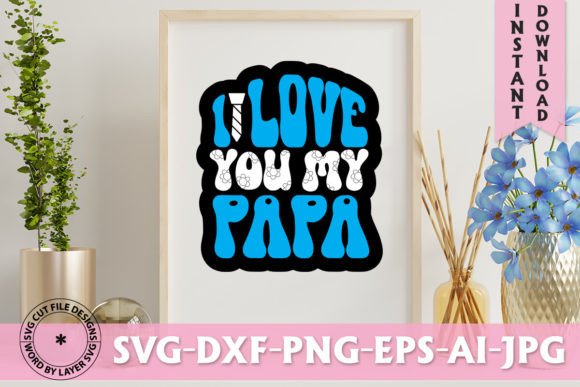
The visual personality of the I Love You My Papa Retro Design strikes a specific balance between nostalgia and modern clarity. In the world of T-Shirt Designs, retro styles often suffer from being too distressed or detailed for embroidery, but this layout appears structured enough for digitization. The mood is warm and approachable, making it an immediate candidate for Father’s Day collections, birthday gifts, or everyday dad gear. When I assess Graphics for stitch conversion, I am looking for distinct color blocks and legible typography. This design seems to offer clear separation between elements, which is crucial when converting vector art into a digital embroidery file. It avoids the muddy, over-complicated shading that often causes registration issues on fabric, suggesting it was created with production in mind rather than just print.
Real-World Application: Stitching a Custom Sweatshirt
To truly judge this asset, I mentally walked through a recent client project: creating a custom embroidered sweatshirt for a first-time grandfather. For this type of sweatshirt embroidery, the fabric texture is heavy and plush, requiring a design with enough presence to stand out without becoming bulletproof. The I Love You My Papa Retro Design fits this scenario well because retro lettering typically utilizes bold shapes that accommodate fill stitch areas effectively. Unlike delicate script fonts that can get lost in fleece, this style allows for wider columns and open spaces that reduce stitch density while maintaining visual impact.
If I were producing this as a tote bag design or an embroidered patch, the bolder lines would also translate beautifully. Patches, in particular, benefit from the distinct outlines common in retro graphics, allowing for clean satin borders. For baby embroidery items like bibs or onesies intended for "Papa," the design's likely moderate complexity means it won't weigh down lightweight cottons, provided the digitizer has optimized the pathing. This versatility makes it a valuable addition to a craft business inventory, as one design can service multiple product categories without modification.
Navigating Fabric Limitations and Hoop Constraints
However, no design is universal. When planning to use the I Love You My Papa Retro Design, you must consider your substrate carefully. While excellent for stable knits and canvas, this retro style requires caution on highly textured fabrics like terry cloth or ribbed knits. The geometric nature of retro art relies on crisp edges; if the fabric texture is too aggressive, those clean lines can appear jagged after washing. I always recommend testing on scrap material first to ensure the stabilizer choice supports the design's weight and prevents puckering.
Hoop size is another critical factor. Retro designs often utilize horizontal layouts. If you are working with small hoops or curved surfaces like caps, verify the dimensions before purchasing. Caps present unique challenges due to their curvature and limited vertical space; a wide retro banner might distort unless specifically digitized for headwear. Similarly, if you plan to use this for commercial embroidery on performance wear or thin polyester, the stitch density must be checked. Heavy fill areas in retro graphics can perforate thin fabrics if not properly backed or lightened during the digitizing verification process. Always inspect small details and inner counters of letters to ensure they remain open and legible at smaller scales.
Technical Considerations for Digital Assets
It is vital to address what you actually receive with this product. The listing specifies a DIGITAL DOWNLOAD ONLY containing 1 SVG File (Word By Layer Svg Files with Cricut supported) and 1 EPS file. There is no mention of pre-digitized embroidery formats like DST, PES, or JEF. For Etsy sellers and makers, this distinction is paramount. You are acquiring high-quality vector design assets, not a ready-to-stitch embroidery file.
This means you or your digitizer must convert these vectors into stitches. The advantage here is control; having the SVG word-by-layer allows you to assign specific thread colors and stitch types (satin vs. fill) exactly to your preference. However, it also means extra work. Do not assume this will run straight out of the zip folder on your machine. Use the EPS or layered SVG to create your own applique design or standard embroidery version tailored to your specific machine and fabric. This flexibility is ideal for small shop products where brand consistency matters, as you can adjust the sizing and density perfectly for your niche, whether that is nursery decor or adult apparel.
Enhancing Product Value and Customer Trust
Using professionally structured graphics like the I Love You My Papa Retro Design directly influences buyer engagement. Customers recognize quality. When a handmade product features balanced proportions and appropriate stitch types derived from good source art, it builds trust. A poorly converted design with jumping threads or gapping letters signals amateurism, whereas a crisp retro execution suggests professional care. For holiday embroidery projects, where emotional connection drives sales, the clarity of the message is everything.
Furthermore, utilizing layered vectors allows for superior printable mockup creation. Before you even stitch a sample, you can use the included SVG files to create accurate digital previews for your listings. This helps validate market interest and showcases the design's potential across different garment colors. Just remember to confirm licensing terms before selling finished items or digital derivatives. Ensuring you have the right to use the design commercially protects your business and maintains professional integrity.
Practical Designer Notes for Success
Before adding this to your next collection, follow this checklist to ensure success:
- Verify Formats: Confirm you have digitizing software or a service to convert the SVG/EPS into machine-readable stitches.
- Test Contrast: Retro designs rely on color interplay. Test thread colors against both light and dark fabric backgrounds to ensure readability.
- Check Density: If digitizing yourself, keep stitch density moderate to prevent fabric distortion, especially on knits.
- Stabilizer Strategy: Match your stabilizer to the fabric weight. Cut-away for stretchy sweatshirts; tear-away for stable tote bags.
- Mockup First: Use the layered SVG to create black and white mockups to check visual hierarchy before committing thread.
- License Check: Review the specific usage rights for commercial embroidery and digital resale to avoid infringement.
- Sample Stitch: Always run a test on scrap fabric to inspect registration, pull compensation, and small detail clarity.
The I Love You My Papa Retro Design offers a strong foundation for heartfelt, marketable goods. Its retro charm aligns with current trends, and the vector format provides creative freedom for experienced makers. By approaching it with technical diligence and respecting the conversion process, you can transform these digital assets into cherished personalized gifts and profitable shop staples that celebrate fatherhood with style and substance.